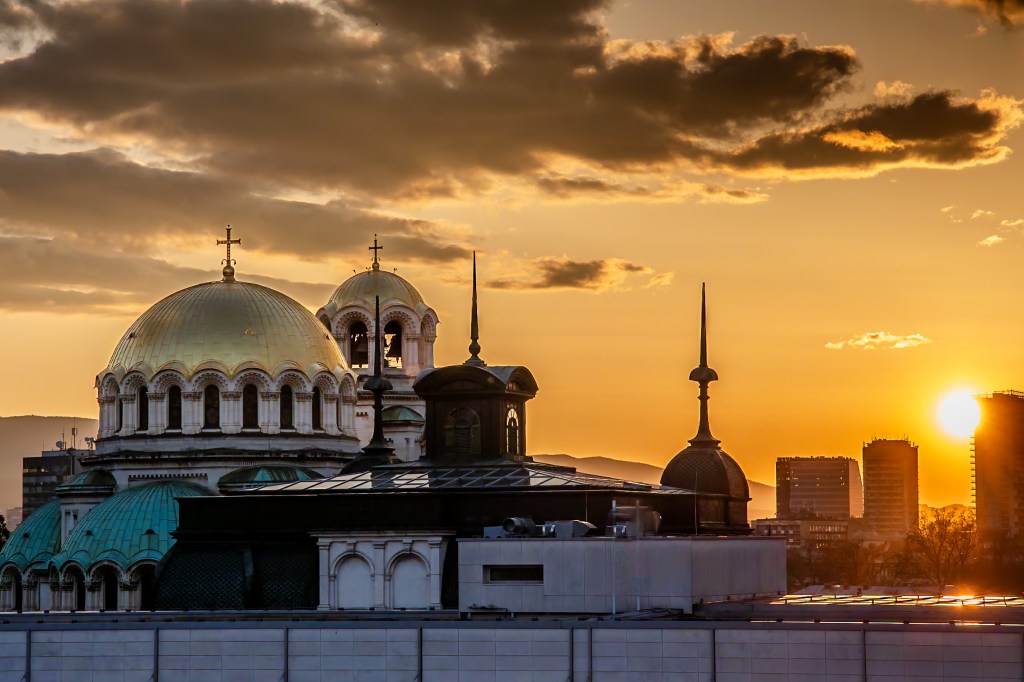
Are you considering a visit to Sofia, Bulgaria, and seeking insights into the city’s ambiance and attractions? Well, you’ve come to the right place.
Sofia, the vibrant capital city of Bulgaria has a rich culture, history, captivating sights and cuisine that will captivate travelers.
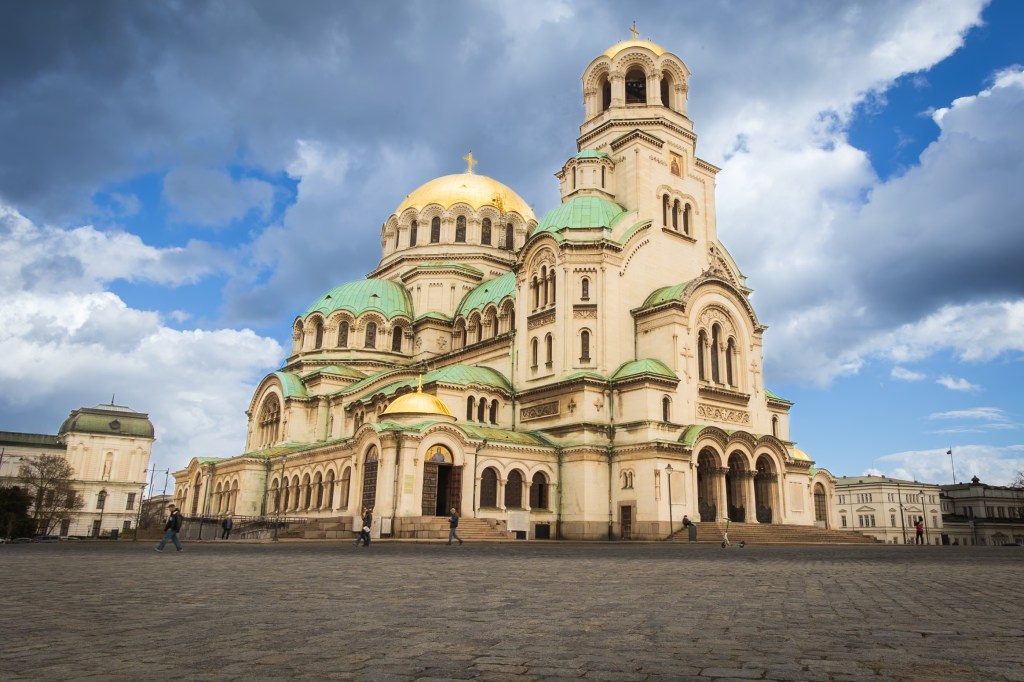
The majestic Alexander Nevsky Cathedral is a symbol of Sofia’s cultural and religious heritage. It is impressive, but not very old. It was constructed in the early 20th century to honour the Russian General Nevsky who orchestrated the victory over Ottoman forces which led to the liberation of Bulgaria from 500 years of Ottoman rule.
Russia and Bulgaria were on opposing sides during World War I and from 1916 through 1920 the church’s name was changed to the Cyril and Methodius Cathedral in honour of the Bulgarian men who developed the Cyrillic alphabet which is used in Bulgarian, Russian, Belarusian, Kazakh, Kyrgyz, Macedonian, Montenegrin, Serbian, Tajik, Turkmen, Ukrainian and Uzbek languages. Many people simply refer to this alphabet as the “Russian” alphabet, but this is incorrect and Bulgarians will be quick to point out the error. They are very proud of the fact that the Cyrillic alphabet was created here in Bulgaria.
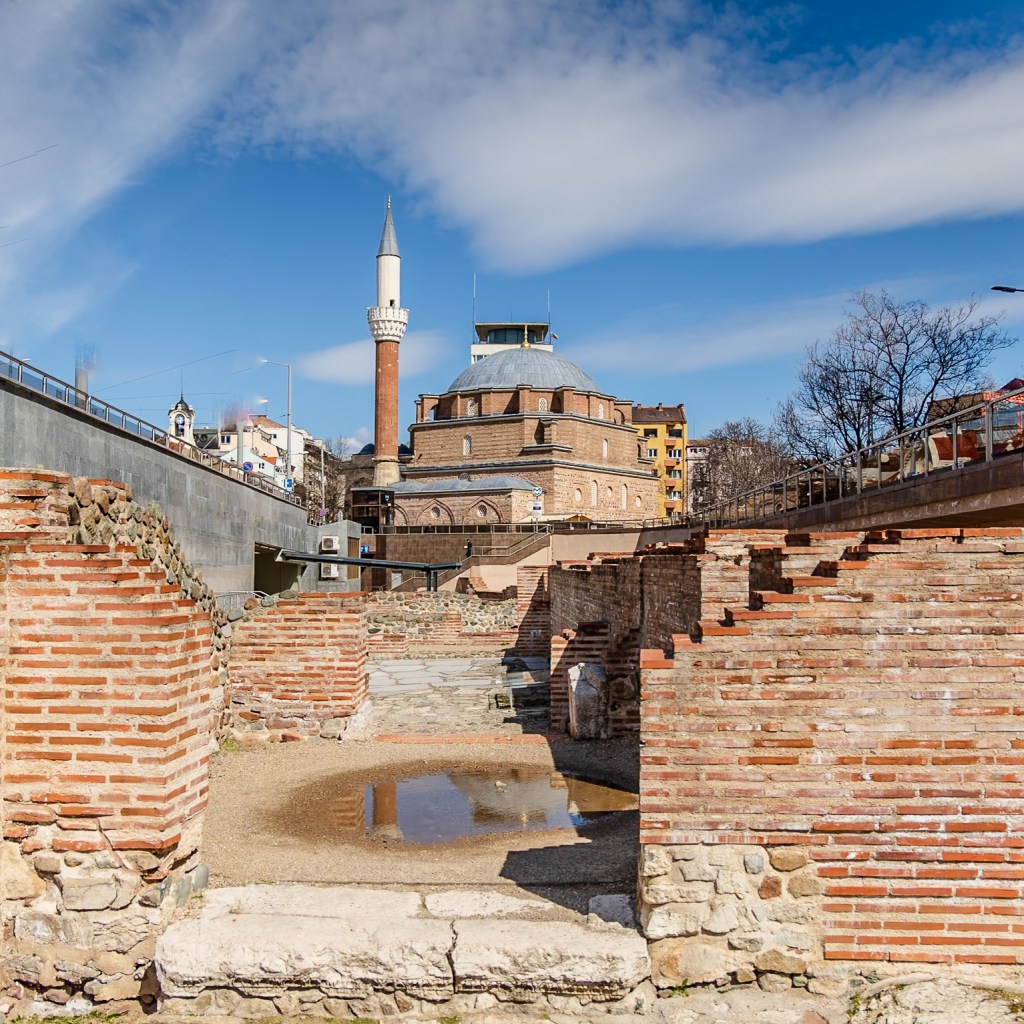
Sofia’s past comes alive as you explore the Roman ruins of Serdica, once a thriving ancient city. Wander through the excavated streets, marvel at the remnants of Roman baths, and imagine life in this bustling metropolis centuries ago. Serdica was a city in Thrace. If you ever watched the series “Spartacus” and heard them refer to Spartacus the gladiator as a Thracian or that he came from Thrace and you wondered “Where the heck is Thrace?” Well it’s in today’s Bulgaria.
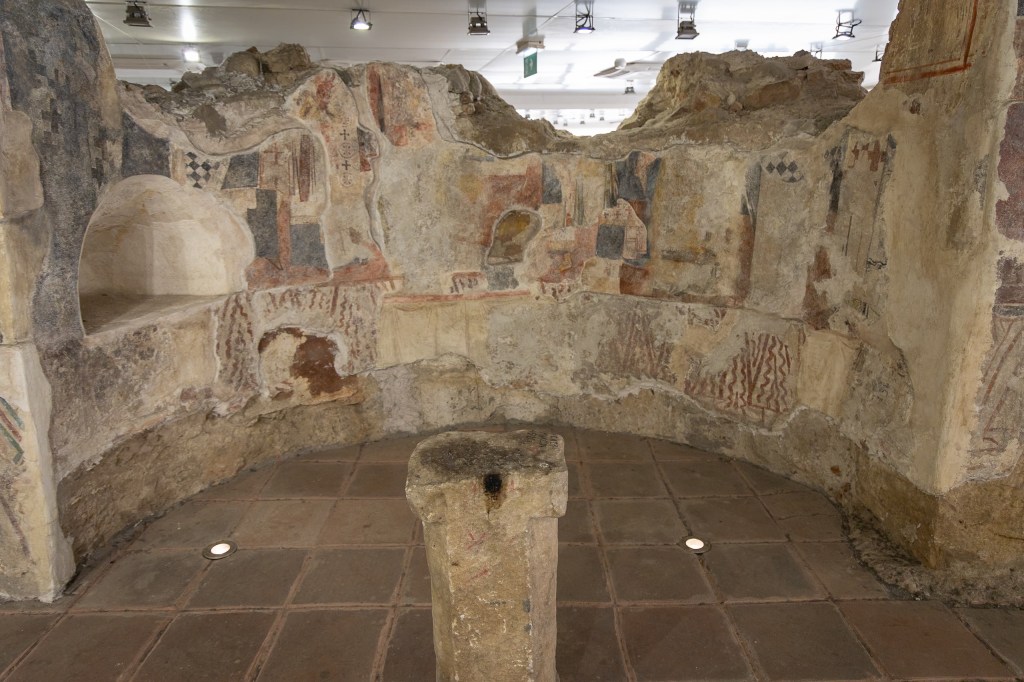
Walking through the Serdica metro station, you feel like you are in a museum. Ruins of Roman Serdica were discovered when they were building the Sofia Metro in 2010. Now, the metro station beautifully displays the ruins. Visiting the station is better than visiting some of the Roman museums that are scattered throughout the range of the former empire.
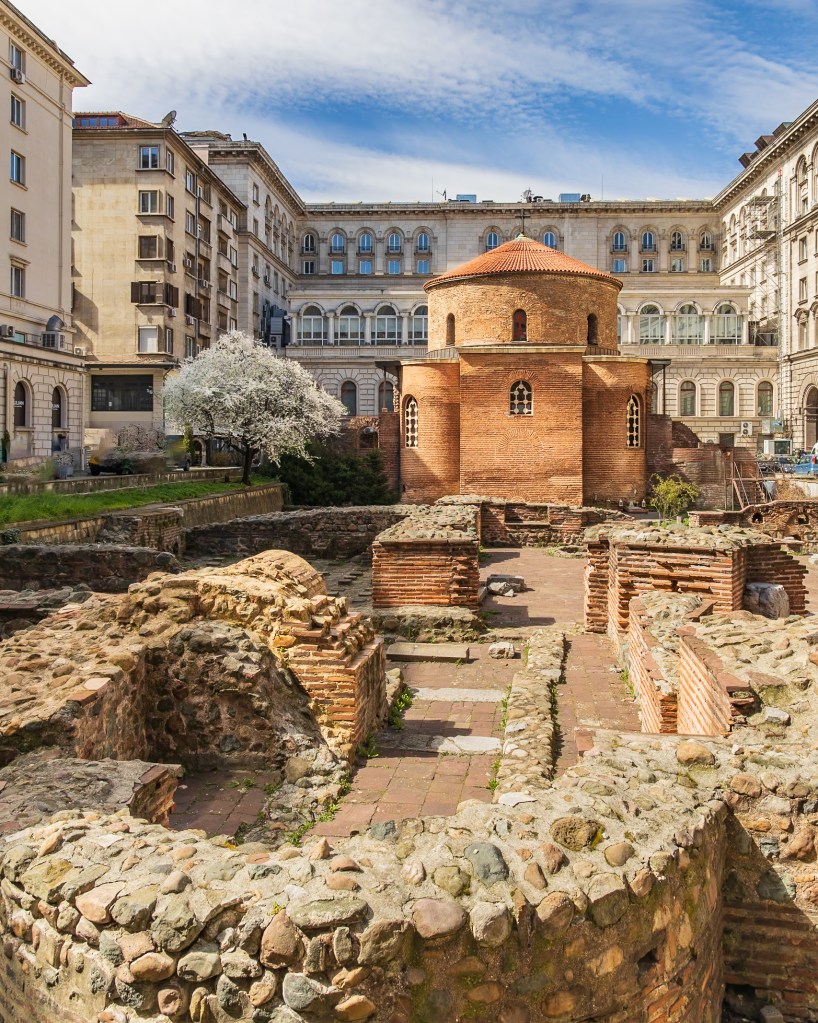
Immediately above the ruins of ancient Serdica you will be on the Square of Tolerance. This square received its name due to the fact that here, all within a couple hundred meters of each other you can find a Synagogue, Mosque, Orthodox Christian Church and Catholic Christian Church. People of all of these faiths live, worship and coexist peacefully with each other this seems to make Sofia the standard of religious tolerance for the rest of the world.
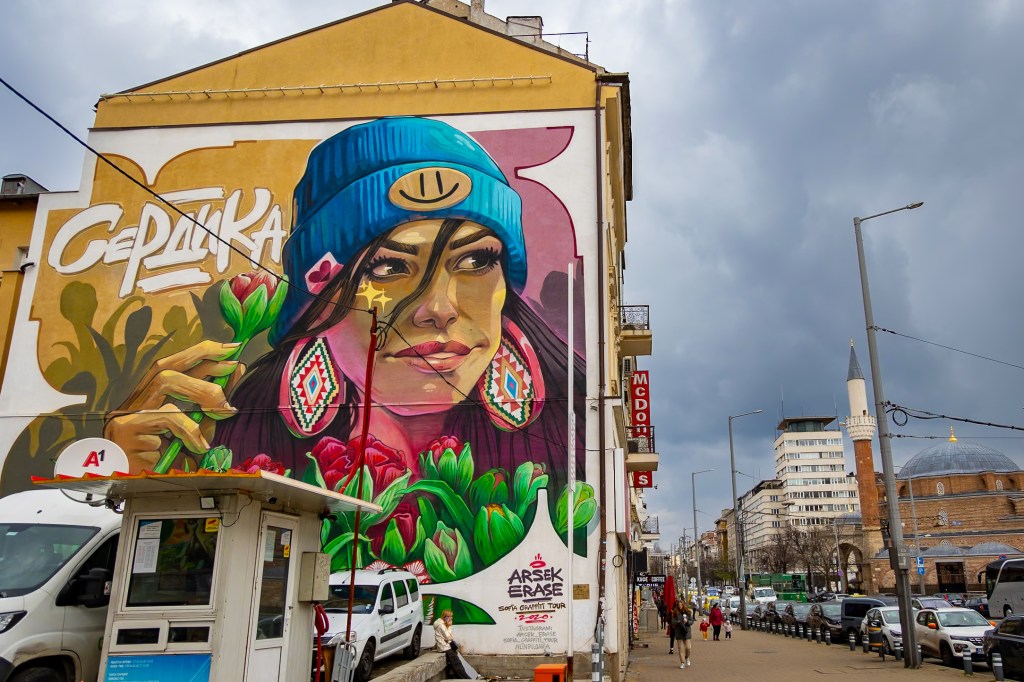
One of the things that Bulgarians are most proud of is the fact that although they were allied with the Axis powers during World War II, they did not send any of their Jewish citizens to concentration camps.
The city’s name changed from Serdica to Sofia due to the Hagia Sofia church which dates back to the 4th century. The church was actually built outside of the ancient city and as travelers approached, it was the first thing that they saw. After a few centuries of travelers remarking “Sofia” as they got near to the city, eventually the city’s name transitioned from Serdica to Sofia.
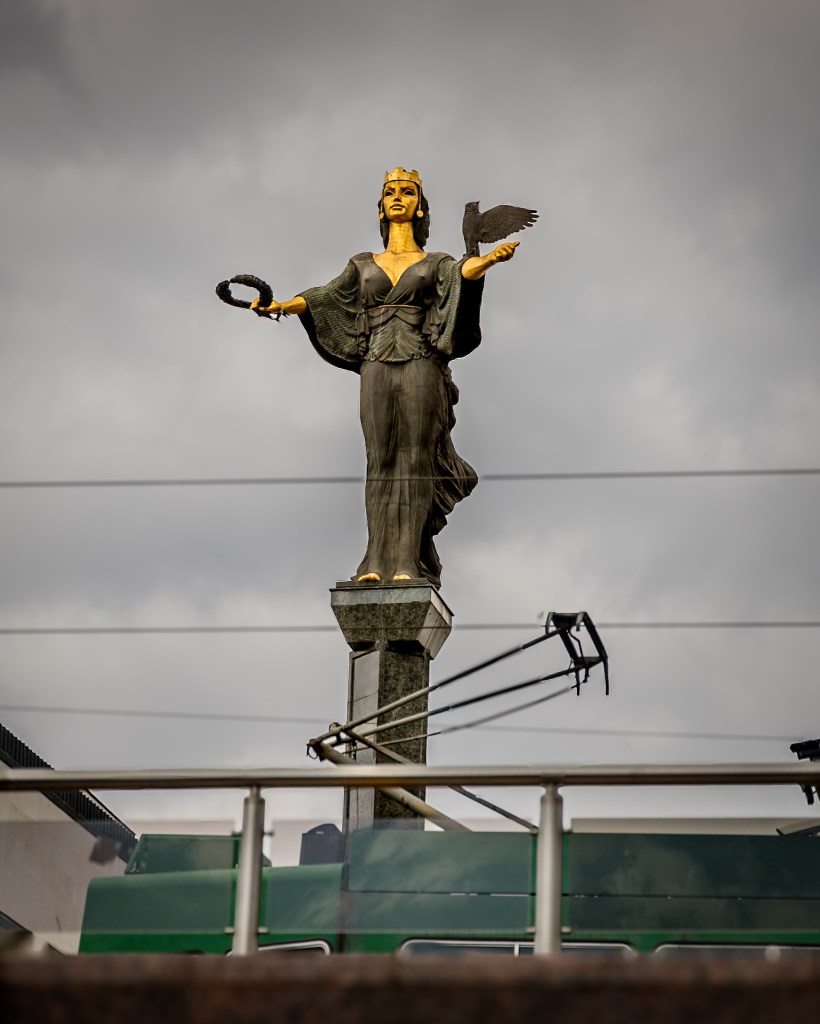
There is a large, scantily clad statue of Saint Sofia in the center of the city that was built to replace a statue of Vladimir Lenin and to commemorate the new millennium in 2000. City planners intended the statue to honour the city’s namesake, the problem was that the city was not named for Saint Sophia. The statue has been controversial and has caused uproar among locals due to the fact that the city did not get its name from Saint Sofia and because the statue is dressed in what many consider inappropriate for a Saint.
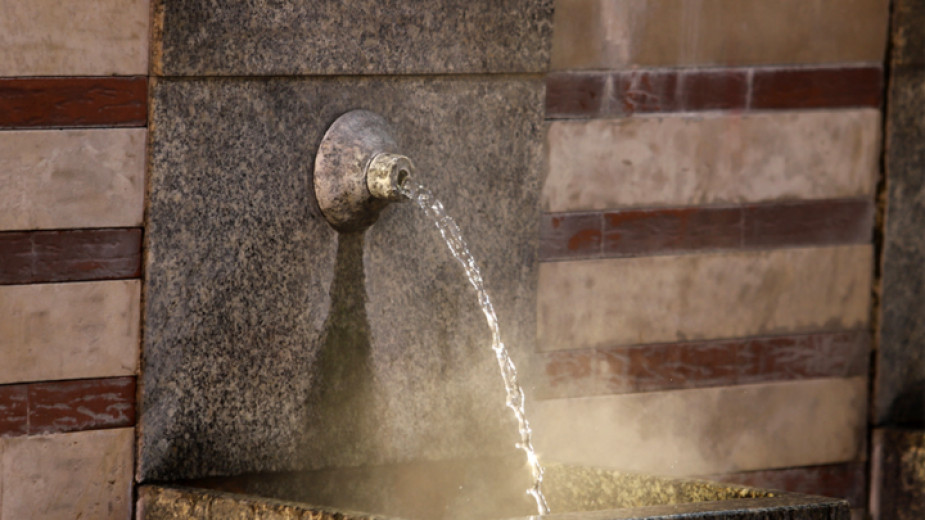
Bulgaria has the second highest concentration of natural hot springs of all countries. One thing that can’t be missed during a trip to Sofia is a visit to the natural spring fountains for a drink of water to “cure what ails you”. The water coming from the springs is approximately body temperature, slightly warmer than 98 degrees Fahrenheit. Many residents bring large containers to fill up and take home with them. We aren’t sure of the health benefits of the springs, but some Bulgarians insist on them.
You won’t go hungry in Bulgaria as it offers countless treats for reasonable prices. Some delicacies that shouldn’t be missed are Banitsa – which is a symbol of the Bulgarian cuisine. This traditional pastry is found across the country in bakeries and coffee shops. Be careful, its buttery, cheesy, filo dough flaky goodness may be addictive.
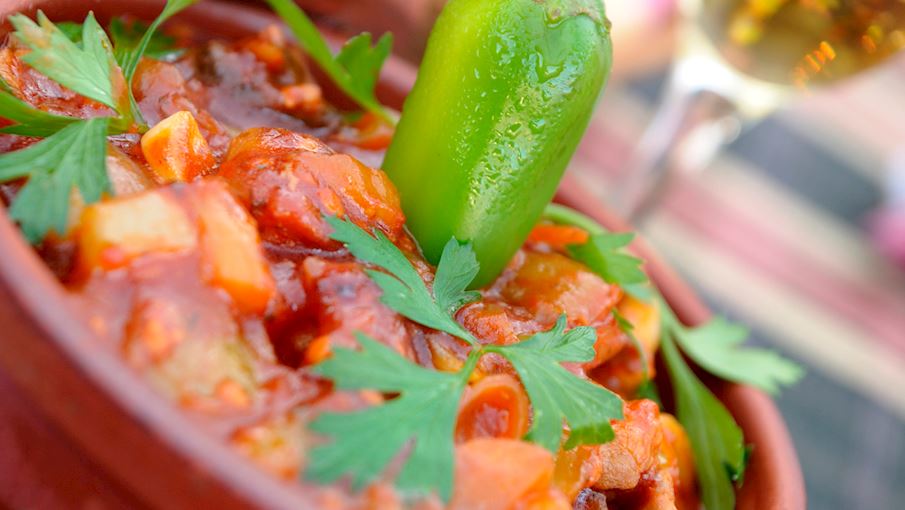
Gyuvech – vegetable and meat casserole in a clay pot, sometimes with bread baked on as a lid. We tried the rabbit version of this at Moma in Sofia, Solunska str. 28 and the presentation of having the waitress cut off the bread lid was impressive. Most importantly, the rabbit was boneless and cooked to perfection!
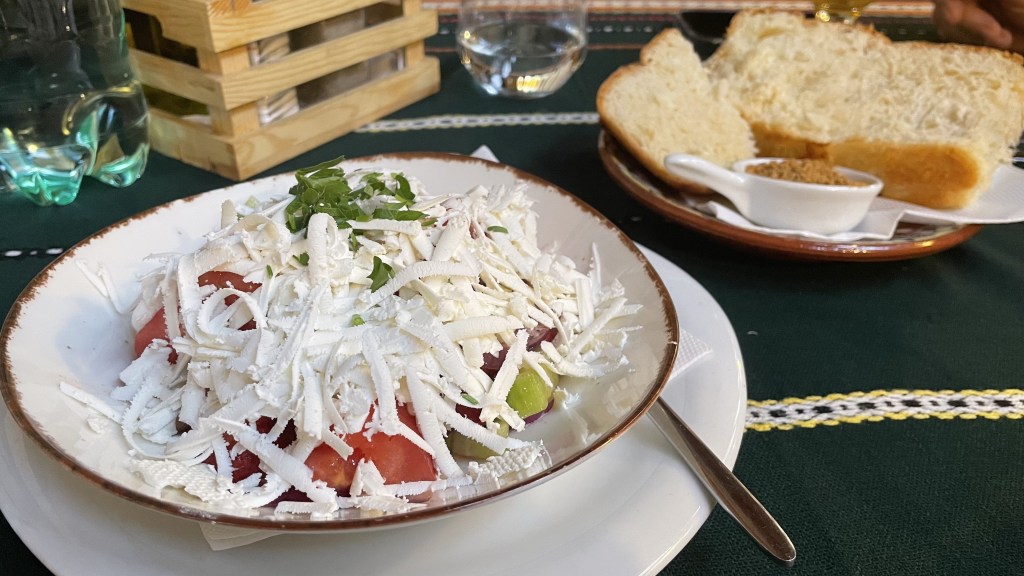
Shopska Salad – Similar to a Greek salad, Shopska salad is made from tomatoes, cucumbers, onion/scallions, raw or roasted peppers, and topped with sirene cheese (white brine cheese).
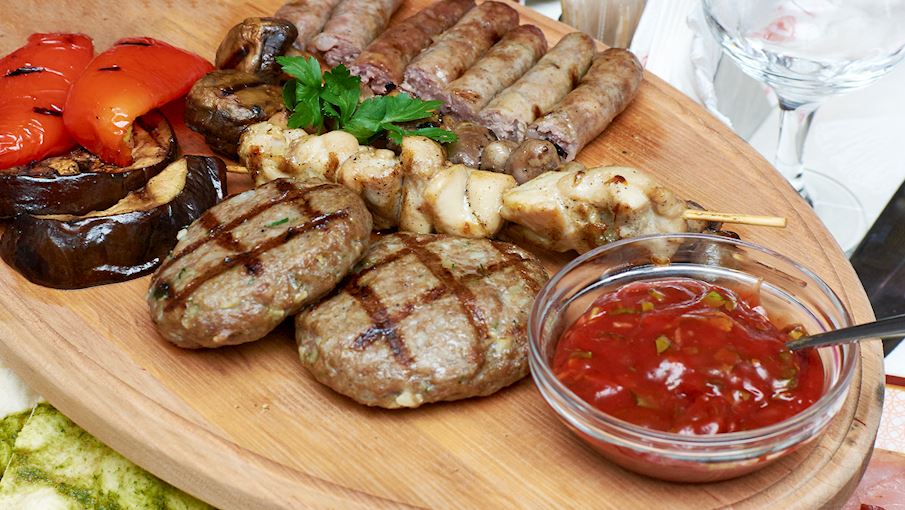
Meshing Skara – grilled meat which includes meat balls, steak and skewers of pork.
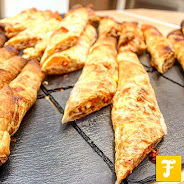
If you ever wondered what Bulgarians munch on for breakfast, chances are they’ll shout, “Banitsa!” This heavenly flaky pastry oozing with eggs, cheese, and butter is a Bulgarian breakfast icon. Picture this: piping hot banitsa fresh out the oven at the crack of dawn, ready to be devoured. Don’t miss the chance to snag yours while it’s hot and crispy on the outside! Our favorite Banitsa place was Sofyska Banitsa in Sofia Center, ul. “Graf Ignatiev” 7А, 1000 Sofia, Bulgaria. Be sure to get there early to get them hot!
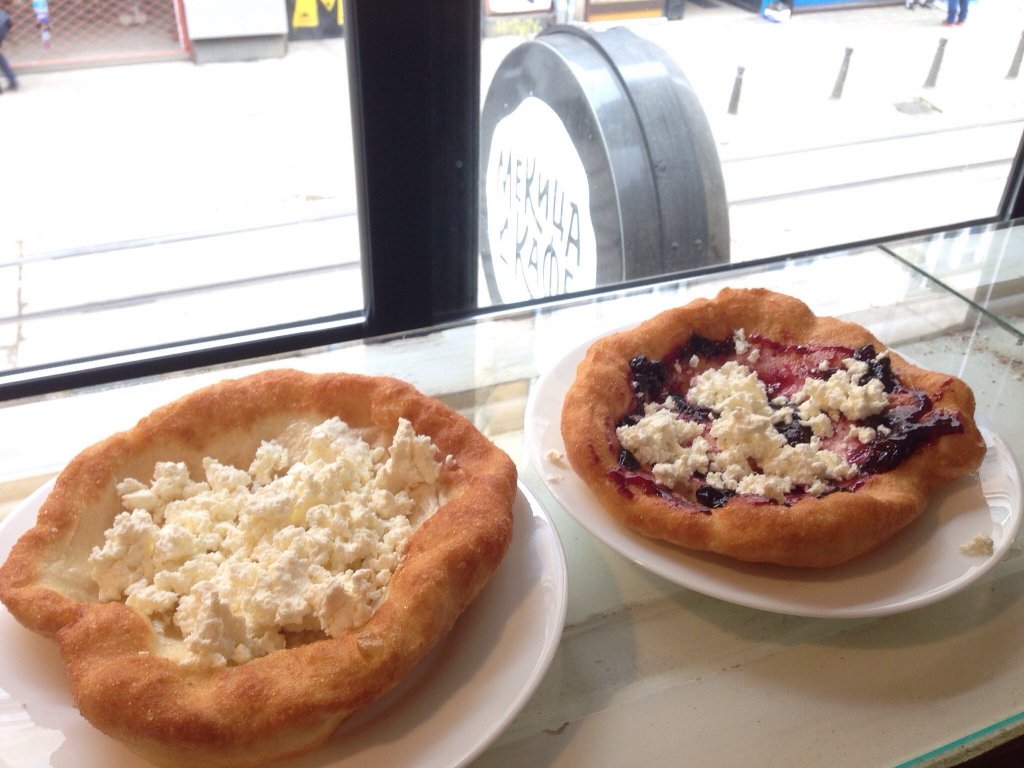
Picture this: a doughnut’s hip cousin – Mekitsa! This crispy, deep-fried darling is the go-to treat for brekkie or a cheeky nibble. Swing by Mekitsa & Cafe in Sofia to witness the magic as this golden gem sizzles to life, then go wild with toppings like cheese, honey, or yes, even peanut butter. Remember, a Mekitsa is only a party in your mouth when it’s hot off the frying pan. Let it cool, and it turns into a chewy grump.
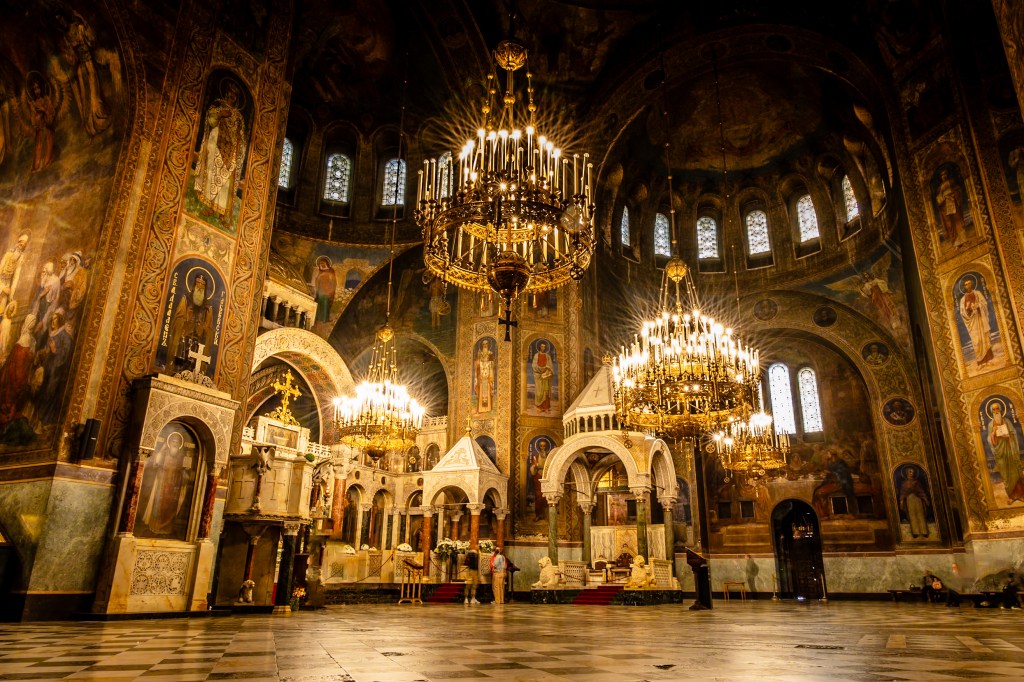
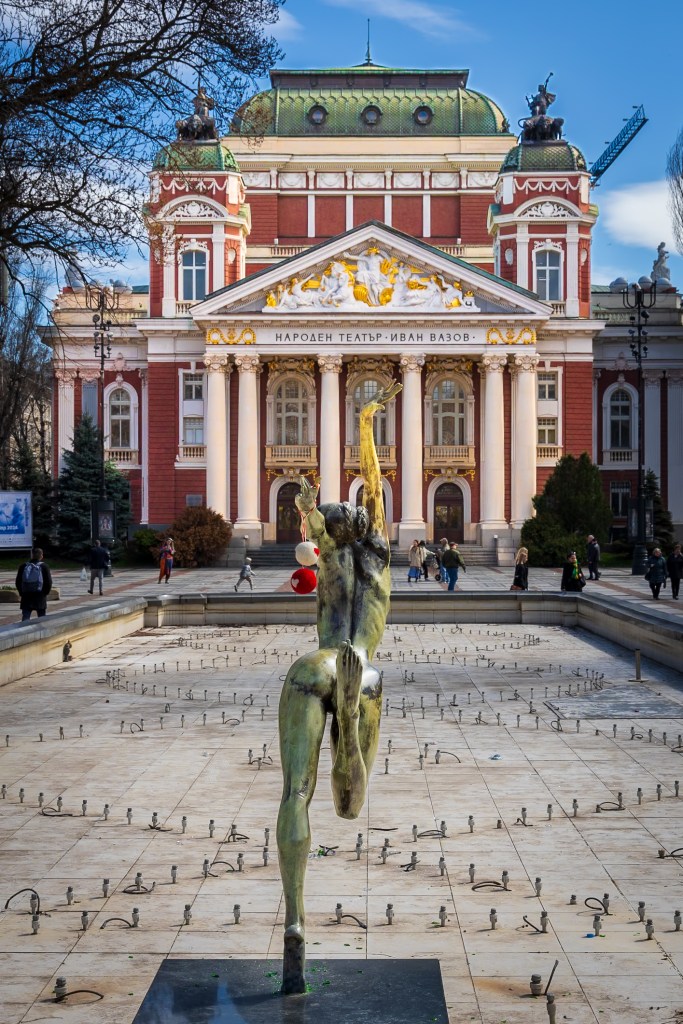
From its ancient landmarks to its vibrant cultural scene, Sofia enchants visitors with its blend of history and natural beauty. Come discover the allure of Bulgaria’s capital city and immerse yourself in Sofia’s fascinating story.
If you’re up for some visual treats from our trip, swing by our YouTube channel for awesome clips of Sofia and other stunning spots across Europe and beyond!
Here is a link to our Youtube video about Sofia:
If you find yourself grappling with questions or simply in need of a swift response, do not hesitate to reach out to us. Whether you wish to share a story, celebrate a success, or engage in a casual conversation, we are readily available, eager to engage in dialogue and lend our attentive ears to your thoughts.
Happy Travels,
Betty and Lee

 Traveling Expats
Leave a reply to vogdene902ba0f2f Cancel reply